Reading Time: 4 minutes
It’s three o’clock on a Friday afternoon when your mobile rings. A tenant on the fourth floor is reporting water dripping from the ceiling into their office space. Equipment is at risk, employees are scrambling, and your weekend plans are dissolving faster than the water is pooling on their carpet. This scenario plays out across commercial properties every rainy season—but it doesn’t have to be yours.
At TT Waterproofing, we’ve spent over nine years working with property managers across Gauteng, and we’ve learned one fundamental truth: proactive waterproofing maintenance costs far less than reactive repairs, both in direct expenses and in the harder-to-measure costs of tenant dissatisfaction and operational disruption. In this article, you’ll discover how to develop effective preventative maintenance schedules, identify early warning signs before they become emergencies, and understand why proactive waterproofing delivers superior return on investment compared to waiting for problems to emerge.
The True Cost of Reactive Waterproofing Approaches
Most property managers inherit a reactive maintenance model—addressing waterproofing issues only when they become impossible to ignore. This approach feels economical in the short term but creates a cascade of hidden costs:
Operational Disruptions happen when water infiltration forces tenant relocations, equipment shutdowns, or closure of common areas. Each disruption impacts your tenants’ ability to conduct business.
Tenant Satisfaction Erosion occurs gradually with each leak, delayed repair, or recurring problem. Unhappy tenants don’t renew leases, creating vacancy costs that dwarf waterproofing expenses.
Accelerated Building Deterioration results from allowing water to penetrate building envelopes repeatedly. What begins as a minor leak evolves into structural damage requiring extensive remediation.
Emergency Service Premiums apply when you’re calling contractors during storms or outside business hours. Emergency repairs cost substantially more than scheduled maintenance.
Developing Your Preventative Maintenance Schedule
Effective waterproofing maintenance operates on multiple timescales, each addressing different aspects of building protection:
Seasonal Inspections
Conduct comprehensive waterproofing inspections twice annually—ideally before and after the rainy season. Pre-season inspections identify vulnerabilities before weather tests them, whilst post-season assessments document any damage requiring attention before the next weather cycle.
Focus these inspections on:
- Roof membranes and flashings
- Expansion joints and sealants
- Drainage systems and gutters
- External walls and penetrations
- Below-grade waterproofing where accessible
Monthly Visual Checks
Train maintenance staff to conduct monthly walk-throughs specifically watching for waterproofing warning signs. These don’t require technical expertise—just awareness of what to look for and a system for documenting findings.
After Significant Weather Events
Following major storms or unusual weather, conduct targeted inspections of areas most vulnerable to water infiltration. Catching problems immediately after they occur—before they worsen—saves substantially on repairs.
Annual Professional Assessment
Even with diligent in-house inspections, schedule annual assessments by waterproofing professionals. Experienced technicians identify issues that may escape untrained observation and can provide objective condition reports for long-term planning.
Early Warning Signs Every Property Manager Should Recognise
Water infiltration rarely appears without warning. Learning to recognise early indicators allows intervention before minor issues escalate:
Interior Warning Signs
Water Staining on ceilings or walls indicates active or historical leaks. Fresh stains appear darker, whilst older stains show yellow or brown discolouration. Document all staining with photographs, noting location and size for tracking changes.
Efflorescence manifests as white, chalky deposits on concrete or masonry surfaces. This crystalline residue forms when water moves through materials, depositing dissolved salts. Its presence confirms moisture infiltration even when no standing water is visible.
Mould or Mildew Growth suggests prolonged moisture exposure. Beyond the obvious health and aesthetic concerns, mould indicates waterproofing failures requiring immediate attention.
Peeling Paint or Bubbling Finishes result from moisture trapped behind surface coatings. As water vapour tries to escape, it lifts finishes from substrates—a clear sign of water infiltration.
Musty Odours often detect before visible signs appear. Persistent damp smells, especially in specific areas, warrant investigation even when no obvious water damage is apparent.
Exterior Warning Signs
Cracked or Missing Sealants around windows, doors, expansion joints, and penetrations create pathways for water entry. Sealants deteriorate over time, becoming brittle and losing adhesion.
Damaged Roof Membranes show as bubbles, tears, or areas where membranes have pulled away from substrates. On flat roofs, ponding water that doesn’t drain within two days indicates drainage problems requiring attention.
Compromised Flashings around roof penetrations, edges, and transitions represent common failure points. Lifted, rusted, or damaged flashings require immediate repair.
Blocked Drainage Systems cause water to back up and find alternative paths—often through building envelopes. Regular cleaning prevents blockages from creating waterproofing failures.
The ROI of Proactive Waterproofing Maintenance
Understanding the return on investment for preventative waterproofing helps justify maintenance budgets and planning:
Extended Asset Life
Buildings with consistent waterproofing maintenance last substantially longer before requiring major envelope work. Water is one of the most destructive forces affecting building materials—keeping it out protects your entire investment.
Reduced Emergency Expenditure
Scheduled maintenance costs significantly less than emergency repairs. You control timing, can secure competitive pricing through planned procurement, and avoid the premium rates contractors charge for urgent work.
Tenant Retention Value
Satisfied tenants renew leases. The cost of tenant turnover—vacancy periods, leasing commissions, tenant improvements—far exceeds waterproofing maintenance expenses. Properties known for proactive maintenance attract quality tenants willing to pay premium rates.
Insurance Implications
Well-maintained properties with documented preventative programmes may qualify for favourable insurance rates. Moreover, demonstrating proactive maintenance strengthens your position should water damage claims arise.
Energy Efficiency Benefits
Water infiltration compromises insulation effectiveness, increasing heating and cooling costs. Proper waterproofing maintains thermal envelope integrity, reducing operational expenses.
Implementing Efficient Waterproofing Solutions
When waterproofing work is required, implementation strategy matters as much as technical quality:
Minimising Building Downtime
Professional commercial waterproofing contractors understand that your building must remain operational. We schedule work to minimise tenant impact, often working outside business hours or in phases that keep disruption manageable.
Industrial-Grade Materials
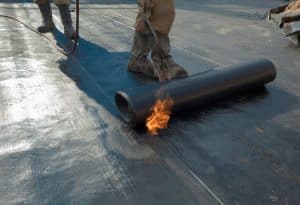
Commercial properties require materials engineered for durability and performance. Industrial-grade waterproofing systems provide longer service life and better resistance to the demanding conditions commercial buildings face.
Comprehensive Documentation
Maintain detailed records of all waterproofing work—inspections, repairs, materials used, and contractor details. This documentation proves invaluable for warranty claims, future maintenance planning, and property transactions.
Creating Your Waterproofing Maintenance Programme
Here’s how to establish an effective programme across your property portfolio:
Assess Current Condition – Begin with professional inspections documenting the present state of waterproofing systems across all properties.
Prioritise Interventions – Rank findings by urgency and impact, addressing critical issues immediately whilst scheduling less urgent work appropriately.
Establish Regular Schedules – Implement consistent inspection and maintenance cycles, adjusting frequency based on building age, condition, and exposure.
Train Your Team – Ensure maintenance staff understand what to look for and how to document findings systematically.
Build Contractor Relationships – Develop relationships with qualified waterproofing contractors who understand commercial property requirements and can respond quickly when needed.
Track and Review – Monitor programme effectiveness through metrics like number of emergency calls, tenant complaints, and maintenance costs over time.
FAQ: Commercial Waterproofing Maintenance
How often should commercial buildings undergo waterproofing inspections?
At minimum, conduct comprehensive inspections twice annually. However, high-risk areas or older buildings may benefit from quarterly assessments. Monthly visual checks by maintenance staff supplement formal inspections.
What’s the typical lifespan of commercial waterproofing systems?
Lifespan varies by system type, installation quality, and environmental exposure. Well-maintained systems can provide many years of service, whilst neglected systems may fail prematurely. Regular maintenance extends service life significantly.
Can waterproofing maintenance be conducted whilst tenants occupy the building?
Yes, professional contractors specialise in minimising disruption. Most maintenance can be scheduled around tenant operations, often conducted outside business hours or in phases that maintain building functionality.
How do I budget for waterproofing maintenance?
Start by assessing current condition to identify immediate needs. For ongoing maintenance, allocate funds based on building age, size, and condition. Properties with deferred maintenance require larger initial investments, decreasing over time as proactive programmes take effect.
Protect Your Commercial Property Investment
Waterproofing isn’t just about keeping water out—it’s about protecting your investment, maintaining tenant satisfaction, and ensuring uninterrupted business operations. With over nine years of experience serving commercial property managers across Gauteng, TT Waterproofing understands the unique challenges you face and delivers solutions that work within your operational constraints.
Stop reacting to waterproofing emergencies and start implementing strategies that prevent them. Your tenants, your budget, and your weekend plans will thank you.
Contact TT Waterproofing today to develop a customised maintenance programme for your commercial property portfolio. Let our expertise help you transition from reactive repairs to proactive protection.